The best time to spray ragwort is critical to prevent its spread and protect livestock from its toxic leaves. Timing herbicide application according to seasons and plant growth stages ensures maximum efficiency and long-term control.
Ragwort (Senecio jacobaea) is highly toxic to cattle, horses, and sheep, and its seeds can remain viable in soil for years. Spraying at the wrong time often fails, requiring repeated treatments and increasing chemical usage.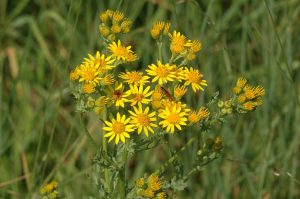
Optimal control depends on monitoring growth phases: the early rosette stage, bolting, flowering, and seed dispersal. Seasonal awareness and monthly scheduling improve herbicide uptake and minimize regrowth.
In this guide, we explore the best time to spray ragwort, breaking it down by seasons and months. You’ll learn when to spray for rosettes, bolting plants, and seedlings to maintain healthy pastures and gardens efficiently.
Also Read: Best Herbicide For Ragwort
10 Best Time To Spray Ragwort
1. Early Spring Spray (March–April)
Beginners should focus on ragwort rosettes in early spring, typically from March to April. The plants are actively growing, making them more receptive to herbicides. Spraying now prevents flowering and seed production.
Herbicides applied at this stage translocate to the roots, reducing regrowth. Early spring treatments also minimize livestock exposure to toxic leaves. Regular monitoring ensures that late-emerging rosettes are caught.
This timing is ideal for pasture management, as soil moisture from winter rains supports plant uptake. Experts report up to 90% reduction in ragwort seeds when sprayed during this period. Consistent early spring treatment forms the foundation of long-term control.
Pros:
• High absorption
• Prevents seeds
• Low regrowth
• Protects livestock
• Cost-effective
• Environmentally safe
• Easy application
Cons:
• Weather sensitive
• Needs monitoring
• Labor-intensive
2. Late Spring Spray (May–June)
Spraying ragwort in late spring (May–June) targets plants that may have escaped early treatment. The plants are still actively growing, and herbicide uptake is efficient. This timing also addresses seedlings emerging from early-season seeds.
Late spring applications complement early spring treatments by preventing flowering of late rosettes. Moist soil conditions after rains improve chemical absorption and effectiveness. Use selective herbicides to protect desirable pasture species.
Farmers often combine late spring sprays with mechanical mowing to maximize control. This method ensures coverage of hard-to-reach areas. Repeated monitoring is necessary to catch new seedlings before maturity.
Pros:
• Covers missed plants
• Prevents late flowering
• Enhances early spray
• Protects crops
• Reduces seeding
• Easy integration
• Low toxicity
Cons:
• Rain dependent
• Extra labor
• Limited timing
3. Early Summer Spray (June–July)
Target ragwort plants entering the bolting stage in June and July. Spraying during this stage weakens stems and prevents flowers from fully developing. Proper timing reduces seed formation and subsequent spread.
Herbicides applied to bolting plants are absorbed and transported to roots. Heat stress or drought can reduce effectiveness, so application conditions must be optimal. Coverage should focus on large patches and dense clusters.
Reports indicate early summer sprays reduce plant maturity by up to 80%. This stage is crucial for preventing new seed banks in pastures. Combining herbicides with cutting or mowing increases efficiency.
Pros:
• Stops flowering
• Reduces seeds
• Long-term control
• Works in heat
• Enhances mechanical removal
• Protects pastures
• Cost-effective
Cons:
• Timing critical
• Drought sensitive
• Labor-intensive
4. Late Summer Spray (August–September)
Still wondering if September is too late to spray for ragwort? Well, the best time to spray ragwort seedlings is in late summer, usually from August to September. Small plants are easier to control, and herbicides work most efficiently on young, actively growing seedlings. Treating them early prevents the weed from establishing a strong seed bank.
Spot treatments or selective spraying help avoid harming desirable plants. Late summer applications ensure that any plants missed in early or mid-season treatments are controlled. Continuous monitoring is required to detect emerging seedlings promptly.
This stage is essential for long-term pasture health. Experts recommend integrating mechanical removal with chemical treatments. Late summer sprays prevent infestation carryover to the next season.
Pros:
• Seedling control
• Complements early sprays
• Protects pastures
• Reduces labor
• Environmentally safe
• Improves pasture quality
• Cost-effective
Cons:
• Frequent monitoring
• Labor-intensive
• Limited coverage
5. Autumn Spray (October–November)
Spraying ragwort in autumn (October–November) targets plants storing nutrients in roots before winter. This timing weakens roots and reduces spring regrowth. Frost can affect chemical uptake, so application must precede freezing temperatures.
Autumn sprays are widely used in temperate climates to minimize spring workload. Herbicide absorption is slower than in spring, so coverage and concentration are critical. Selective herbicides protect nearby vegetation and crops.
Using autumn sprays reduces labor and cost for the following year. Experts recommend combining with mechanical removal or mowing for maximum impact. This strategy ensures long-term control of ragwort.
Pros:
• Weakens roots
• Reduces spring regrowth
• Minimizes labor
• Protects crops
• Environmentally safe
• Cost-efficient
• Long-term impact
Cons:
• Frost sensitive
• Slower uptake
• Timing critical
6. Winter Monitoring and Spot Treatment (December–February)
During winter months, the focus is on monitoring and small spot treatments. Rosettes may survive mild winters, and emerging seedlings need control. Spot spraying prevents patch expansion before the next growth season.
Winter treatments are low-risk for livestock since animals are often kept off pastures. Selective herbicides or organic sprays can be used safely. Frequent inspections ensure early detection.
This approach complements seasonal sprays. It maintains pasture health and prevents large infestations in spring. Early intervention reduces chemical usage.
Pros:
• Low risk
• Targets survivors
• Reduces spread
• Protects livestock
• Eco-friendly
• Cost-effective
• Easy monitoring
Cons:
• Limited growth
• Labor needed
• Requires vigilance
7. Combined Year-Round Strategy
A combined approach across spring, summer, late summer, and autumn ensures maximum control. Coordinating sprays with mechanical removal covers all growth stages. This strategy prevents flowering, seed production, and winter survival.
Year-round management reduces herbicide resistance and minimizes labor over the long term. Monitoring is key to detect missed patches. This method is highly recommended for pastures, gardens, and public areas.
Farmers report up to 95% reduction in ragwort with this strategy. It provides a sustainable, efficient, and environmentally responsible approach. Integrating spot treatments ensures no plants escape control.
Pros:
• Maximum control
• Year-round coverage
• Sustainable
• Prevents seeding
• Protects livestock
• Reduces resistance
• Eco-friendly
Cons:
• Labor-intensive
• Requires planning
• Costly
Best Time to Spray Ragwort (FAQs)
-
When is the best time to spray ragwort?
Early rosette stage (March–April) is most effective, with late summer and autumn treatments for seedlings and root weakening. -
Which months are ideal for maximum control?
March–April (early spring), May–June (late spring), June–July (early summer), August–September (late summer), October–November (autumn). -
Can ragwort be sprayed in winter?
Yes, spot treatments on surviving rosettes work best during December–February. -
What herbicides are safest for pastures?
Selective broadleaf herbicides or organic vinegar-based sprays are recommended. -
How many applications per year?
Typically 2–4, depending on growth stage, infestation level, and weather conditions. -
Does timing affect livestock safety?
Yes, spraying during off-grazing periods ensures livestock are not exposed to toxic leaves. -
How do I prevent resistance?
Rotate herbicide types and combine mechanical removal with chemical sprays.
Conclusion
In conclusion, the best time to spray ragwort depends on plant growth stage and seasonal conditions. Early spring rosette spraying is the most effective for preventing flowering and seed production.
The runner-up strategy is late summer and autumn applications to control seedlings and weaken roots. Spot treatments and organic sprays are ideal for gardens and eco-friendly approaches.
A combined year-round approach ensures maximum control and pasture safety. Following these strategies protects livestock, prevents seed spread, and improves pasture quality.
Act now to implement the best seasonal strategy for ragwort control. Proper timing saves labor, reduces chemical use, and ensures long-term pasture health.
Recent Posts
The best fertilizer for Aechmea fasciata is essential for promoting vibrant bract coloration, strong root systems, and steady vegetative growth throughout the active season. Selecting fertilizers...
The best fertilizer for landscaping is essential for maintaining lush lawns, vibrant plants, and healthy soil structure across diverse outdoor environments. Selecting fertilizers with NPK ratios such...