Indoor plants are more than decorative accents—they actively contribute to air purification, humidity balance, and psychological well-being. The best plants for home improvement enhance interior aesthetics while improving indoor environmental quality. Strategic plant selection can elevate property value perception and create a healthier living space.
Plants influence interior design by softening architectural lines, adding natural texture, and improving spatial warmth. Many species also remove airborne pollutants and regulate indoor moisture. Selecting the right plant depends on lighting conditions, maintenance level, and design objectives.
Whether upgrading a living room, renovating a kitchen, or refreshing a home office, plants provide cost-effective transformation. The following guide outlines the 10 best plants for home improvement, detailing benefits, ideal placement, and potential drawbacks.
10 Best Plants For Home Improvement
1. Snake Plant – Best Low-Maintenance Air Purifier
The snake plant is one of the most resilient indoor plants for modern homes. It tolerates low light, irregular watering, and fluctuating temperatures. Its upright architectural leaves complement contemporary interiors.
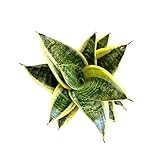
This plant is known for filtering indoor air and releasing oxygen at night. It fits well in bedrooms, offices, and entryways. Minimal care requirements make it ideal for beginners.
Snake plants enhance vertical design elements without overwhelming small spaces. Their sculptural form adds structure to minimal décor schemes. Long lifespan ensures lasting improvement value.
Pros:
• Low maintenance
• Air purifying
• Tolerates low light
• Modern aesthetic
• Drought resistant
• Long lifespan
• Beginner friendly
Cons:
• Slow growth
• Sensitive to overwatering
• Limited flowering
2. Peace Lily – Best for Elegant Interiors
Peace lilies add refined greenery with glossy leaves and white blooms. They perform well in indirect light and moderate humidity. Their visual softness enhances bedrooms and living rooms.

This plant helps reduce airborne toxins and increases indoor humidity slightly. Its flowering feature improves decorative value compared to purely foliage plants. Proper watering keeps leaves vibrant.
Peace lilies are ideal for improving formal or minimalist spaces. Their balanced height suits corners and side tables. Regular trimming maintains aesthetic appeal.
Pros:
• Elegant blooms
• Air filtering
• Moderate light tolerant
• Compact size
• Decorative
• Enhances humidity
• Suitable for offices
Cons:
• Sensitive to drafts
• Requires consistent watering
• Toxic to pets
3. Fiddle Leaf Fig – Best Statement Plant
The fiddle leaf fig is popular in interior design for its dramatic foliage. Large violin-shaped leaves create a bold focal point. It suits spacious rooms with bright indirect light.

This plant improves vertical visual flow in open-plan homes. It complements modern, Scandinavian, and contemporary décor. Proper pruning maintains shape and symmetry.
Although visually impressive, it requires attentive care. Consistent watering and stable light conditions are essential. When maintained properly, it significantly elevates property aesthetics.
Pros:
• Striking appearance
• High design value
• Large foliage
• Enhances open spaces
• Long lifespan
• Improves room balance
• Trend appeal
Cons:
• Sensitive to change
• Needs bright light
• Moderate maintenance
4. Pothos – Best for Versatile Placement
Pothos plants thrive in various lighting conditions. Their trailing vines soften shelves, cabinets, and walls. They are ideal for renters and quick home upgrades.

This plant grows quickly and requires minimal attention. It tolerates inconsistent watering and low light. Hanging baskets maximize vertical design opportunities.
Pothos improve air circulation perception and add natural movement to interiors. They are effective for kitchens, bathrooms, and offices. Pruning keeps growth controlled.
Pros:
• Fast growing
• Adaptable
• Low maintenance
• Decorative vines
• Budget friendly
• Beginner friendly
• Suitable for small spaces
Cons:
• Can become leggy
• Mild toxicity
• Needs trimming
5. Monstera Deliciosa – Best Tropical Upgrade
Monstera adds a tropical aesthetic with distinctive split leaves. It performs best in bright, indirect light. Large foliage enhances empty corners.

This plant creates visual depth in modern interiors. It pairs well with neutral palettes and wood finishes. Moderate watering supports healthy growth.
Monstera improves ambiance without excessive care demands. It works well in living rooms and dining areas. Spacious placement prevents overcrowding.
Pros:
• Bold foliage
• Modern aesthetic
• Moderate care
• Enhances large rooms
• Durable
• Long-lasting
• Statement appeal
Cons:
• Needs space
• Sensitive to overwatering
• Can outgrow small rooms
6. Spider Plant – Best for Small Spaces
Spider plants are compact and adaptable. Their arching leaves add subtle texture to shelves and countertops. They thrive in indirect light.

This plant is known for easy propagation. It helps reduce common indoor pollutants. Regular watering keeps foliage fresh.
Spider plants are excellent for apartments and small offices. Hanging placement improves visual balance. They are forgiving of minor care mistakes.
Pros:
• Compact
• Easy care
• Air improving
• Budget friendly
• Fast growing
• Adaptable
• Pet safer option
Cons:
• Needs trimming
• Sensitive to fluoride
• Moderate light needed
7. Rubber Plant – Best for Modern Homes
Rubber plants feature thick, glossy leaves that enhance contemporary interiors. They grow upright and require moderate indirect light. Their deep green tones add sophistication.

This plant improves vertical structure and balances large furniture pieces. Consistent watering supports strong leaf development. It thrives in stable indoor climates.
Rubber plants complement industrial and minimalist décor. They are durable with proper care. Occasional pruning maintains height control.
Pros:
• Glossy leaves
• Modern look
• Durable
• Moderate care
• Enhances height
• Long lifespan
• Easy maintenance
Cons:
• Needs space
• Sensitive to drafts
• Can grow tall
8. Aloe Vera – Best Functional Plant
Aloe vera combines aesthetic and practical benefits. Its succulent leaves store water, making it drought tolerant. It thrives in bright light.

This plant offers medicinal gel useful for minor burns. It requires minimal watering and well-draining soil. Compact form suits windowsills.
Aloe enhances natural wellness themes in kitchens and bathrooms. Its clean silhouette fits modern spaces. Overwatering is the main risk.
Pros:
• Functional
• Low water needs
• Compact
• Bright aesthetic
• Long lasting
• Beginner friendly
• Minimal care
Cons:
• Needs bright light
• Sensitive to frost
• Overwatering risk
9. Boston Fern – Best for Humidity Boost
Boston ferns provide lush, full foliage. They thrive in humid environments with indirect light. Bathrooms and sunrooms are ideal placements.

This plant improves moisture levels slightly and softens sharp décor lines. Regular misting keeps fronds healthy. It requires attentive watering.
Boston ferns enhance traditional and cottage-style homes. Hanging baskets maximize their cascading effect. They require consistent care.
Pros:
• Lush appearance
• Humidity support
• Soft texture
• Decorative
• Good for bathrooms
• Air improving
• Classic appeal
Cons:
• Needs humidity
• Frequent watering
• Prone to shedding
10. ZZ Plant – Best Low-Light Performer
ZZ plants are highly resilient and tolerate low-light conditions. Their waxy leaves reflect light, brightening dim spaces. They require infrequent watering.
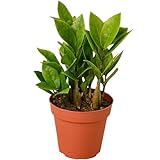
This plant suits offices, hallways, and shaded corners. It withstands neglect better than most species. Minimal pruning maintains shape.
ZZ plants enhance modern interiors with clean structure. They are long-lasting and pest resistant. Ideal for busy homeowners.
Pros:
• Extremely hardy
• Low light tolerant
• Minimal watering
• Modern look
• Durable
• Pest resistant
• Beginner friendly
Cons:
• Slow growth
• Mild toxicity
• Limited flowering
Best Plants For Home Improvement FAQs
1. What plants improve indoor air quality the most?
Snake plants, peace lilies, and spider plants are commonly selected for air purification benefits.
2. Which plant is best for low light rooms?
ZZ plants and snake plants perform best in low light conditions.
3. Are indoor plants good for property value?
Yes, plants improve visual appeal and create a healthier atmosphere that increases buyer perception.
4. How many plants should I use per room?
Balance is key—2–4 medium plants per standard room is visually effective without overcrowding.
5. Do indoor plants increase humidity?
Yes, through transpiration they slightly increase indoor humidity levels.
6. Which plant requires the least maintenance?
Snake plant and ZZ plant require minimal watering and care.
7. Are these plants safe for pets?
Some, like peace lilies and pothos, are toxic. Always verify pet safety before placement.
Conclusion
The best plants for home improvement combine aesthetic value, environmental benefits, and manageable care requirements. Statement plants like fiddle leaf fig and monstera elevate design, while resilient options like snake plant and ZZ plant ensure low-maintenance enhancement.
For homeowners seeking both style and function, peace lilies and rubber plants offer balanced solutions. Smaller spaces benefit from spider plants and pothos for adaptable décor.
Selecting plants based on light, maintenance capacity, and room size ensures sustainable results. With strategic placement, indoor plants can significantly transform both visual appeal and indoor comfort.
Recent Posts
The best fertilizer for Aechmea fasciata is essential for promoting vibrant bract coloration, strong root systems, and steady vegetative growth throughout the active season. Selecting fertilizers...
The best fertilizer for landscaping is essential for maintaining lush lawns, vibrant plants, and healthy soil structure across diverse outdoor environments. Selecting fertilizers with NPK ratios such...